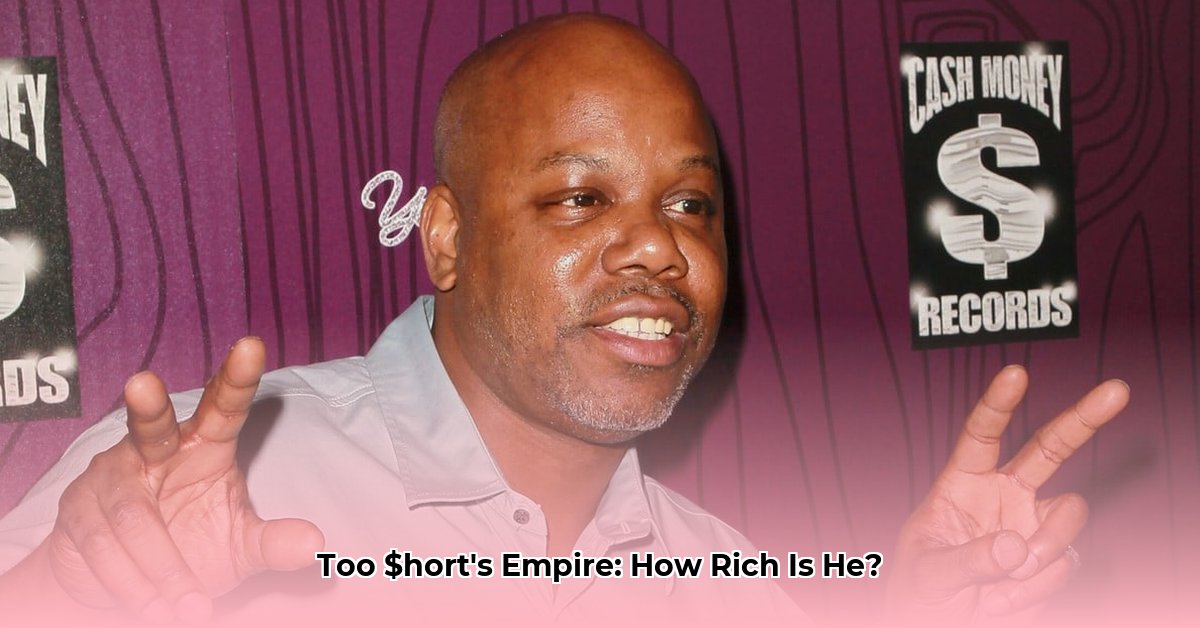
Too $hort's substantial wealth isn't solely attributed to his prolific music career; it's a testament to his shrewd business acumen and long-term vision. This article analyzes the multifaceted empire he's built, exploring the key factors contributing to his significant net worth and offering actionable insights for aspiring musicians and entrepreneurs.
Rapper Too $hort's Net Worth: A Business Empire Decoded
Too $hort's financial success transcends catchy rhymes and popular beats. It showcases the power of strategic planning and diversification, a lesson often overlooked in the music industry. His enduring career and wealth are the result of a well-defined business model, not just creative talent.
The Foundation: Diversification Beyond Music
While Too $hort's music career forms the foundation of his wealth, his financial success extends far beyond album sales and concert revenue. Unlike many artists whose income fluctuates with album releases, Too $hort has cultivated a remarkably consistent career. This longevity stems from his understanding of the importance of multiple income streams. He didn't passively wait for record deals but actively created opportunities, building his brand into a powerful, lasting entity. How did he accomplish this? Let's explore the key elements.
Livewire Records: The Power of Ownership
A critical element of Too $hort's financial success is his independent record label, Livewire Records. This label provides a level of control over his music and profits rarely achieved by artists signed to major labels. Owning Livewire enabled Too $hort to retain a significantly larger portion of earnings from his music and associated projects, unlike artists who often see a small fraction of their music sales profit. This ownership model exemplifies the difference between renting space in a marketplace and owning the entire store.
Beyond the Beats: Strategic Investments and Brand Management
Precise figures regarding Too $hort's net worth remain confidential. However, his sustained success indicates astute financial management and diversification beyond the music industry. He has skillfully leveraged his influential brand to generate income streams beyond music royalties. His business acumen suggests investments in areas such as real estate, other businesses, or diversified portfolios—all contributing to substantial wealth accumulation. This long-term approach to wealth building is a key takeaway for aspiring musicians.
Lessons from the King of the Bay: Actionable Insights
Too $hort's career offers invaluable lessons for aspiring musicians and entrepreneurs. Here are three pivotal strategies:
Diversify Income Streams: Don't rely solely on music royalties. Explore merchandise sales, brand endorsements, lucrative sponsorships, and even independent business ventures to create multiple income streams. This diversification reduces risk and ensures financial stability even during periods of fluctuating music sales.
Control Your Intellectual Property: Owning your master recordings and controlling distribution maximizes your earning potential. Consider establishing your own record label, as Too $hort did, or securing management that prioritizes your long-term interests and financial security over short-term gains.
Cultivate Your Brand: Your brand encompasses your music, image, and overall connection with your audience. Invest in building and maintaining this brand to create lasting loyalty, which translates into long-term financial success and diverse revenue streams.
Unraveling the Mystery: Estimating Too $hort's Net Worth
While the exact figure remains undisclosed, Too $hort's longevity, diverse business interests, and consistent success suggest he ranks among hip-hop's wealthiest artists. His wealth isn't accidental; it's a product of strategic planning, diversification, and a long-term perspective. His accomplishments highlight the importance of planning beyond immediate musical success.
The Marathon, Not the Sprint: Sustained Success
Too $hort's extraordinary career exemplifies sustained success. His prominence underscores the value of adaptability, financial intelligence, and a comprehensive business approach to the music industry. His story serves as a compelling example of how long-term planning, coupled with resilience, can lead to both considerable financial success and a lasting legacy.
How to Build a Sustainable Music Career Like Too Short
Too $hort's success is a compelling case study for building a sustainable music career. His wealth exemplifies a robust and independent business approach that prioritizes long-term planning and diversification.
The Early Hustle: Direct Sales and Self-Promotion
Before major labels, Too $hort sold his tapes directly to fans, building a direct revenue stream and loyal fanbase. This grassroots approach, akin to early forms of crowdfunding, highlights the power of direct fan engagement. The lesson? Build your online community, engage directly with fans, and sell your music independently, bypassing costly intermediaries.
Strategic Collaborations: Expanding Reach and Revenue
Too $hort's strategic collaborations expanded his audience and revenue potential. Collaborations broaden market reach strategically. The key? Seek collaborators who align with your artistic vision while appealing to a wider audience.
Label Ownership: Controlling Your Destiny
Too $hort's ownership of Up All Nite Records underlines the importance of controlling your music's distribution and profit margins. Self-ownership is crucial for financial freedom in music. The strategy here is clear: Explore the establishment of your own record label or establish partnerships that secure your long-term interests.
Diversification: Beyond the Music
Too $hort's diversification into acting, adult films, and merchandising shows the power of multiple income streams in mitigating financial risk. The wisdom is to create a robust brand that expands beyond your music to secure long-term financial stability.
Long-Term Vision: Consistent Evolution
Too $hort's decades-long career highlights the importance of continuous adaptation and reinvention. The music industry is dynamic; embrace change and develop your creative process and business model to stay relevant.